

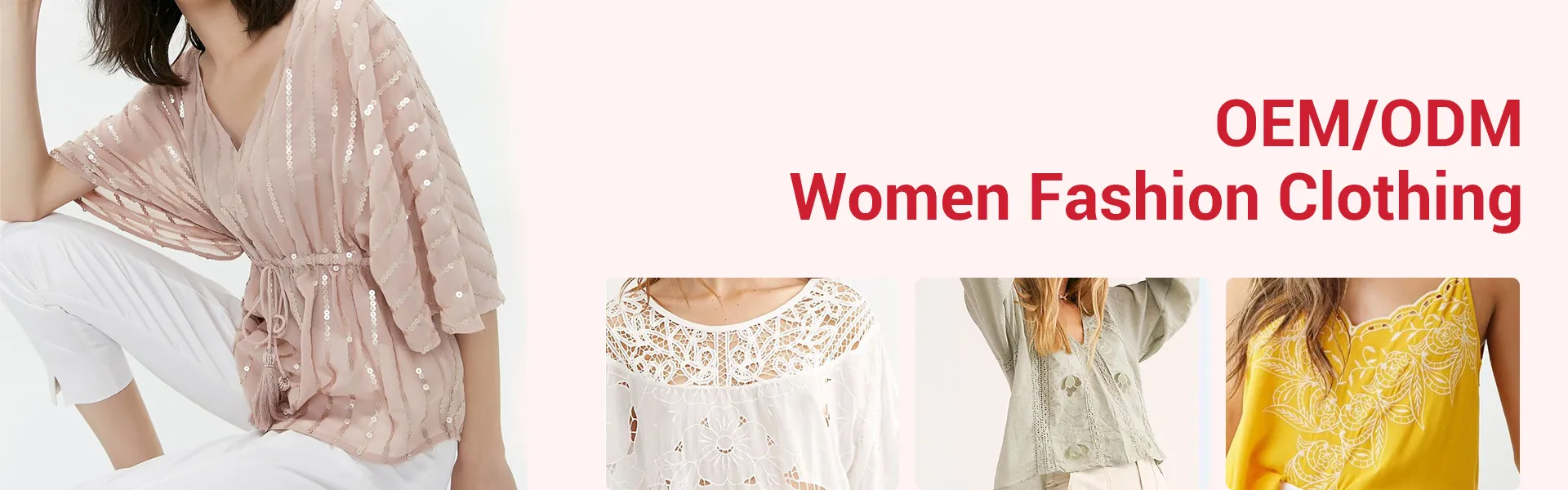
Why Choose Us
Customer Service
We earn your respect by delivering on time and on budget. We built our reputation on exceptional customer service. Discover the difference it makes.
Quality Assurance
We have a rigorous quality assurance process in place to ensure that all our services meet the highest standards of quality. Our team of quality analysts checks each project thoroughly before it is delivered to the client.
State-of-the-art Technology
We use the latest technology and tools to deliver high quality services. Our team is well-versed in the latest trends and advancements in technology and uses them to provide the best results.
Competitive Pricing
We offer competitive pricing for our services without compromising on quality. Our prices are transparent, and we do not believe in hidden charges or fees.
Customer Satisfaction
We are committed to delivering high quality services that exceed our clients' expectations. We strive to ensure that our clients are satisfied with our services and work closely with them to ensure their needs are met.
One-stop service
We promise to provide you with the fastest reply, the best price, the best quality, and the most complete after-sales service.
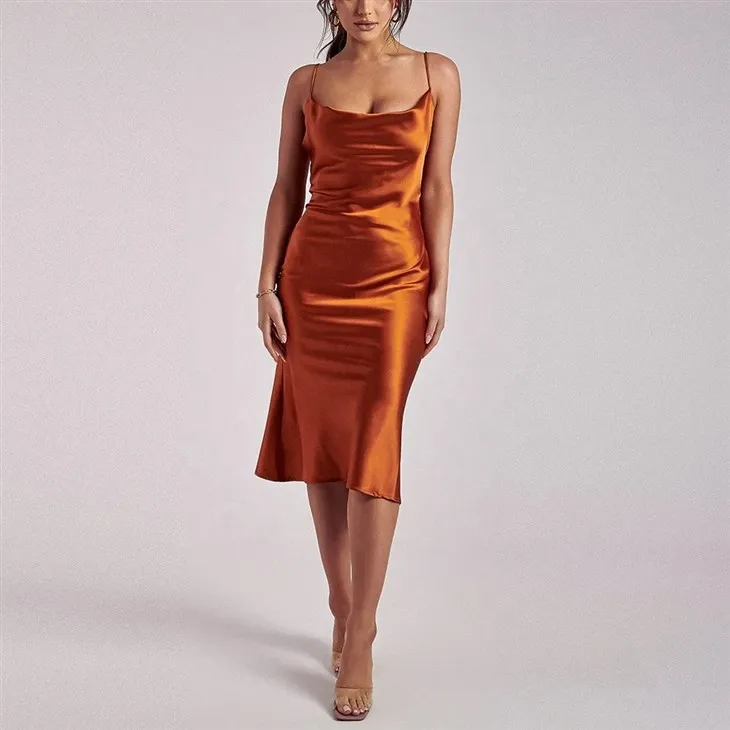
What is Chinese Long Dress Silk
If you're curious about why silk is called the "Queen of Fibers," you're not alone. Silk dresses have been covered by royalty and commoners alike for centuries. This luxurious fabric has many benefits that make it worth the investment. From its hypoallergenic properties to its ability to regulate body temperature, silk has a lot to offer. Plus, silk dresses are durable enough to be worn for a long time. Continue reading to learn the reasons for the silk dress's popularity and the benefits of wearing one.

Fashion Sexy Cuts Crop Top For Women
This summertime wearable t-shirt design is a seductive rope cutout low back crop top made of soft, comfortable spandex and thick polyster.

Tassel Cropped Long Sleeves Blouses
Women's Feather Tassel Tassel Cross Deep V-neck Satin Shirt in Korean Style Cropped Tops Autumn and Spring Long Sleeve Blouse in Blusas.

This shirt looks great with both long and skinny pants. Breathable material guarantees that a top will keep you cool and dry.

Fashion Women's Loose Button Solid Lapel Long Sleeves Lapel Casual Tops Blouse Tops with Pocket T-Shirts Button-down casual V-neck shirts Crop Top with Long Sleeve Lapels Top blouse, V-neck blouse

The women's dress shirt is made of polyester fiber, which is comfortable, soft, and doesn't wrinkle easily. It only needs to be ironed, saving you time!

The fabric is comfortable to wear and has a slight give. Dry clean professionally or machine wash.

Extremely lightweight and breathable, it stretches without losing its shape and is opaque, making it ideal for summer and other seasons.Hugs that fit you just right.

Gorgeous One Shoulder Maxi Prom Evening Dress Woman with Slit Sleeveless Black Crystallized Corset High Slit Long Satin Gown features an open back with two straps and an on-trend pleated one shoulder design that accentuates your curves.

This mini in faux suede will definitely refresh your wardrobe of dresses. Wear it with some strappy heels and a shoulder bag to complete the look.
The Surprising Benefits of Silk
One of the most coveted fabrics in the world, it seems that silk should be reserved only for the most luxurious occasions. From the emperors of ancient Chinese dynasties to style icon Coco Chanel, this material was meant for sophistication, elegance, and glamour.
Today, silk can be purchased literally by anyone. There are great reasons for investing in silk, alongside its appearance and feel. Here are some of the more surprising benefits of silk that you may not have known yet.
Silk Can Improve Sleep Quality
Being comfortable is necessary for quality sleep, so a good sleeping environment is essential. The CDC website explains that factors such as noise levels, room darkness, and temperature are ideal for the most comfortable sleeping conditions.
Using silk for your bedding can help you keep cool as it's a breathable fabric and controls moisture. Silk is well-loved for its temperature-regulating properties, making it an excellent material for almost any clothing item, regardless of the weather or season. When it comes to sleeping, expect a cool bed in the summer and a comforting warmth in the winter . Aside from this, silk is smooth, soft, and incredibly comfortable. These conditions encourage your body to relax and fall into deeper sleep for improved sleep quality.
It's Ideal for Sensitive Skin
Sensitive skin caused by conditions like eczema can benefit from silk thanks to its smooth, non-irritating fibers. Unlike other fabrics, silk doesn't absorb moisture from the skin, allowing it to stay hydrated and prevent dryness.
While sleeping on a silk pillowcase can help your delicate facial skin, silk can be a perfect fit for your wardrobe. Fortunately, silk is widely used in fashion today, and you can often find it used for clothing items like slip or sheath dresses. Silk pajamas are also a popular option today and are a great alternative if you prefer not to go with silk sheets. There are many designs and lengths to choose from to ensure sensitive skin remains cool and moisturized with no irritants.
Silk Prevents Allergies
Another excellent property of silk is that it rarely ever causes allergies. Not only is it free of potentially irritating chemicals, but the silk fibers are also naturally designed to protect silkworms from predators like dust mites.
These fibers secrete a protein to repel allergy-inducing mites, mold, and fungi, an impressive characteristic that silk does not lose even after being woven into clothing for humans. The bed is a sanctuary for most people, so keeping it clean and hygienic is essential. If you're the type of person, who's susceptible to plenty of allergies, then safe to say that a silk sheet or pillowcase is your best bet for a good night's sleep night after each night.
It Helps Promote Better Skin and Hair
Silk has also been shown to benefit the skin when paired with a proper skincare regimen and good hygiene practices, such as switching your pillowcases out every week. When washed consistently and adequately, silk can last for a long time and prove its lifelong benefits. This makes silk definitely worth calling an investment.
Since silk fiber is much smoother than cotton, it can help prevent new wrinkles by reducing the friction on your face as you sleep. This also reduces tangles, frizz, and hair damage, as a Washington Post article explains. While silk is not solely responsible for such results, it goes a long way in contributing to them with your self-care routine!
The Wrap-Up
Silk is more than just a soft and luxurious fabric. The technology used to harvest silk fibers and create a sturdy, breathable, yet delicate material has made it possible to enjoy the above benefits. It's a versatile fabric perfect for warm summer nights and an excellent staple for every season, including fall. Whether you choose a dress, a pillowcase, or a pair of pajamas, investing in silk means selecting a fabric that is as beneficial as it is beautiful.
When to use silk in your brand
Interested in using silk and taking advantage of its luxury appeal? Here are a few popular items that employ the use of silk fabric:
Scarves and ties. You can achieve beautiful, rich colors and creative patterns. Makers of scarves and ties love the durability and strength of silk.
Formal wear. Evening gowns, suits, and wedding attire all look more elegant and feel more luxurious when they are made of silk.
Summer clothing. Silk's ability to wick moisture away from the skin makes it ideal for wearing in high temperatures and humidity.
Lingerie and men's undergarments. The clothes closest to your skin should also be the softest and most comfortable!
Pajamas and robes. Silk sheets are popular today because of their supreme comfort level. It makes sense to sleep in silk pajamas, too.
Eastern folk costumes. If you're trying to create a look that has ties to Eastern styles (Chinese, Japanese, Korean, and Indian, among others), you may consider using silk for authenticity.
Shirts. The silk shirt is a classic high-end fashion item for both men and women. If you're okay with the initial expense, then a silk shirt is a fairly reliable item to sell.
Dresses. A dress doesn't have to be evening wear to be silk. The comfort and softness make it a go-to item for many women.
Purses and wallets. A beautiful silk dress deserves matching silk accessories!
Shoes. Create unique dress shoes and slippers using the durability of silk.
The main environmental benefit of silk is that it is a durable, natural material, so it doesn't shed microplastics into the environment while in the wash.
Untreated silk is also entirely biodegradable, even though chemicals, dyes and blended fabrics may hinder its biodegradability.
However, according to the Sustainable Apparel Coalition's Higg Index, silk has a worse environmental impact than synthetic fabrics, and it has a huge global warming potential.
As a single mulberry tree feeds 100 silkworms, and we need 3,000 cocoons to create one yard of fabric, sericulture involves growing a huge quantity of mulberry trees. Even though fewer chemicals are sprayed on mulberry trees than other crops, like cotton, pesticides and fertilizers are usually used to grow them.
It contributes to the pollution of groundwaters and may cause serious environmental issues, such as eutrophication. Eutrophication leads to the spread of harmful algae in the environment and usually causes dead zones.
Silk production is also very energy and water-intensive. Boiling the water to cook the cocoons takes enormous amounts of energy and water. Temperature control in silkworm rearing facilities, transportation, dying and processing are other steps in the production process that require large amounts of energy. In addition, the silk is cleaned at different stages, which means that high volumes of water are used.
A lot of toxic chemicals, including dyes, are usually used during silk production, and untreated waters are regularly dumped into waterways.
Owning silk itself can be unsustainable as it requires dry cleaning, and dry cleaning solvents are very harmful to the environment.
How practical is silk clothing
This fabric is lightweight and lustrous, and it has a soft feel. Its luminosity and sheen make it look luxurious, and it falls naturally, which is ideal for creating elegant clothing.
Silk is also a great material that takes well to dyes, meaning that you can usually find all kinds of colors when looking for silk clothing. In addition, it is very strong and doesn't get damaged easily: one filament of silk is stronger than a comparable filament of steel!
Silk clothes are great to wear in the summer, as they keep you cool and can absorb a lot of moisture before feeling wet. In the winter, silk helps keep warm air close to the skin, making it a warm material that's often used for its insulation properties.
All these great characteristics have made it a very demanded fabric throughout the world.
How to Dress Wealthy
How can you dress for the luxury lifestyle you want if you don't yet have the money to afford it? Here are a few ways you can dress like a rich person, without being rich.
Choose quality over quantity. Having loads of cheap clothes that wear out and go out of style quickly does not reflect a wealthy lifestyle. Focus on buying quality pieces that are versatile and won't go out of style. Start with the basics, like black dress pants, a tailored blazer, and a well-fitted pair of jeans. Oftentimes, you can combine your more expensive pieces with cheaper staples to create a stylish outfit. Avoid fast fashion, since they're usually poor quality and go out of style after one season.
Maintain a clean, tailored appearance. Choose clothes that fit you perfectly, or get them tailored. Make sure your clothes are always clean and pressed. Take care of your clothes, always washing and storing them properly. Choose colors and patterns that complement each other. A clean, well-arranged outfit contributes to an elegant appearance.
Don't wear logos. High-end clothes don't feature huge logos stating the brand name. You've probably noticed that really rich people don't walk around with brand names on their clothes and handbags. Wearing flashy brand names on your clothes doesn't make you look wealthy. Choose clothes that are classic, versatile, and elegant but don't have any prominent logos.
Dress up. Attending a business or social event underdressed doesn't convey that you're successful and wealthy. If you always dress up just a bit more than necessary, you'll stand out and look like you're someone important. Nobody regrets being the best dressed in the room. That doesn't mean you have to wear formal attire all the time. But put effort into all of your outfits, and add accessories that show some personality and style.
Functions of Clothing
Dress is an important feature of all human societies.. In addition to the obvious function of providing protection and warmth, dress serves many other purposes, most of them having to do with communicating our identity to others. Indeed protection and warmth may not have been the earliest purpose of dress. Many people have always lived in warm climates where clothing is not needed for protection from the elements, yet they have developed forms of dress.
Modesty is another commonly cited purpose for dress. Yet the definition of modesty varies greatly from place to place, and even in the same locality, over the course of time. In Muslim cultures, for example, both men and women cover most of the body in public, as do people in many other times and places. However, in other times and places exposure of various parts of the body may not be a concern.
Beauty/ seduction are also important purposes of dress. Most people want to look attractive, at least under certain circumstances. But what is considered beautiful is also subject to variation. Ideals of beauty also change over time within the same culture, as we will see.
Status or Identification with one's social group is clearly a very important purpose of dress. Through our dress we all signal our affiliation with a social group: this is true whether your group is a Mayan village in Guatemala, or undergraduate students at Cornell (of which, of course, there are many subgroups, including those who profess no interest in prevailing fashions).
Ceremony or ritual may be the purpose of certain specialized forms of dress reserved for certain occasions or people; such as wedding attire, or liturgical dress.
Fashion or style is another purpose that drives dress in some cultures. Fashion is a process by which the accepted form of dress is transformed. Mass fashion as it is has been termed in industrialized societies is transformed for reasons that are basically economic. Mass fashion is driven by a manufacturing and distribution system that is motivated to promote frequent changes in styles- that is, frequent changes in the definition of what kinds of dress are beautiful, or confer the desired status or group identity. Since many of the new ideas for mass fashion these days are drawn from the street, even those who profess to be "anti-fashion" are subjected to the pressure to innovate, if they wish to wear styles that remain distinguishable from the main stream.
Clothing Construction
Historically the basic forms of clothing construction can be divided into four categories.
Draped garments are simply a length of fabric wrapped or tied about the body; no sewing is done. The Roman toga, the Indian sari, and the Indonesian sarong are all garments of this type.
Semifitted garments are assembled from simple shapes, usually rectangles, and seamed. There is no real attempt to shape the garment to the contours of a specific body; seams and edges are mostly straight. However, the garment may be belted or laced to the body to achieve a close fit. Semifitted garments have been worn since prehistory, particularly in cooler climates where draped garments could not supply needed protection from cold. The kimono is a well known example of a semifitted garment; but semifitted garments are certainly also part of the repertoire of modern fashion.
Garments tailored to fit first appeared in Europe in the 14th century. The earliest examples were probably designed to be worn under heavy plate armor introduced at that time. A garment tailored to fit the individual body was needed because semifitted garments would wrinkle, bunch and chafe under the armor. Tailored garments have curved seams, round armsceyes, and darts that shape the garment to the exact contours of the body. Tailoring has been a major feature of Euro-American dress since the 15th century.
Garments tailored to exaggerate first appeared in the 15th and 16th century. Padding and/or constriction of the body were combined with the techniques of tailoring to restructure the body silhouette. This portrait of Queen Elizabeth I shows dress that narrows and elongates the waist through corseting, exaggerates shoulders through the use of padded sleeves and stiffened collar, and distorts the lower body form and proportions by the use of a hooped petticoat (known as the farthingale) and a relatively short hemline. Corseting, shoulder pads, and even hip pads have all been used in this century to accentuate body features deemed beautiful according to current.
Our Factory
HZY garment in 2011, we focus on high-end women's clothing manufacturing, HZY garment will provide you full package service from fabric sourcing, in-house designers, pattern making, sample making, bulk manufacturing, and shipping. Each collection offers new fabric quality swatches, we will offer you new fashion trend styles each month.
HZY garment manufacturing team is very professional, pattern makers have at least 20 years of experience, and sewers over 10 years of experience.

FAQ
Hot Tags: chinese long dress silk, China chinese long dress silk manufacturers, suppliers, factory, Black Long Sleeve Maternity Top, Fashion Sexy Cuts Crop Top for Women, , ,


