

As a supplier of the National Costume Of Muslim, I've witnessed firsthand how these traditional attires have made a significant mark on the fashion industry. In this blog, I'll explore the multifaceted influence of Muslim national costumes on the world of fashion, delving into design elements, cultural significance, and market trends.
Design Elements and Inspirations
The National Costume Of Muslim showcases a rich tapestry of design elements that have captivated the fashion world. One of the most prominent features is the use of flowing fabrics. These fabrics, such as silk and cotton, not only provide comfort but also create an elegant and graceful silhouette. Designers in the mainstream fashion industry have taken inspiration from this, incorporating flowing materials into their collections. For example, the long, loose-fitting robes and abayas worn by Muslim women have inspired the creation of maxi dresses and kaftans that are popular in summer fashion lines.
The intricate patterns and embroidery found in Muslim national costumes are another source of inspiration. Geometric shapes, floral motifs, and calligraphy are often used to adorn the garments. These patterns add a touch of luxury and cultural depth. Fashion designers have translated these patterns onto modern clothing, whether it's through printed fabrics or hand - embroidered details. For instance, the use of traditional Islamic geometric patterns on the sleeves of a Hot Selling Polyester Short Sleeved Floral V - Neck Midi Dress can elevate its aesthetic appeal and give it a unique, cultural edge.
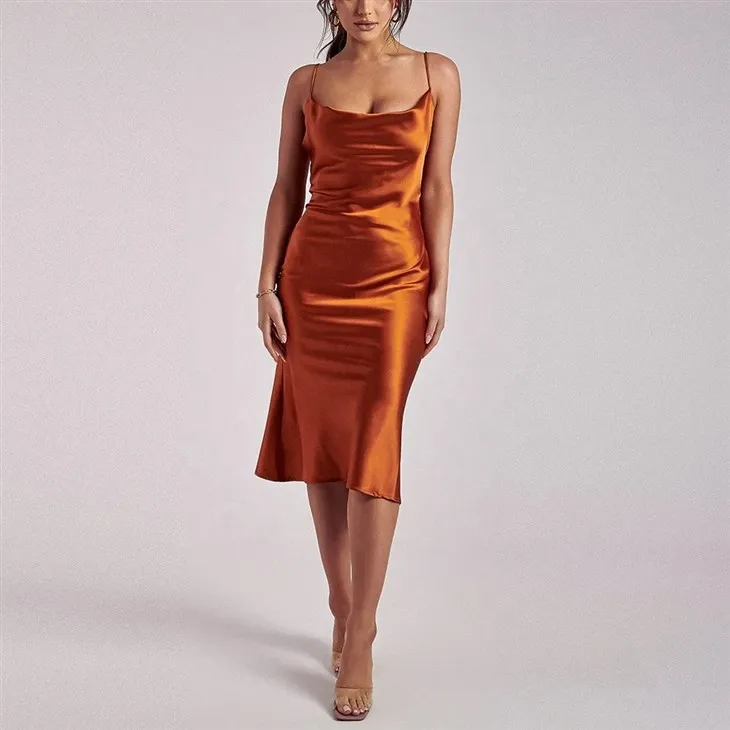

Color palettes in Muslim national costumes are also distinct. Earthy tones like beige, brown, and olive green are commonly used, along with vibrant colors such as royal blue and deep red. These colors can create a striking contrast or a harmonious blend, depending on the design. Fashion brands have started to experiment with similar color combinations in their collections, bringing a touch of cultural warmth and vibrancy to the runway.
Cultural Significance and Global Appeal
Muslim national costumes carry deep cultural and religious significance. They are not just pieces of clothing but a way for Muslims to express their faith, identity, and heritage. In recent years, there has been a growing appreciation for cultural diversity in the fashion industry. Consumers are more interested in clothing that tells a story and represents different cultures. The National Costume Of Muslim fits perfectly into this trend.
It has also contributed to the concept of modest fashion. Modest fashion is not just about covering up; it's about expressing style while adhering to certain cultural or religious norms. Muslim national costumes, with their loose - fitting and conservative designs, have been a driving force behind the growth of the modest fashion market. Many fashion brands have started to develop modest clothing lines inspired by these traditional attires. This has opened up a new market segment, appealing not only to Muslim consumers but also to those who prefer a more conservative and elegant style.
Moreover, the cultural significance of Muslim national costumes has led to a more inclusive approach in the fashion industry. Models of different ethnicities and religious backgrounds are now being featured in fashion campaigns wearing these traditional clothes. This has helped to break down cultural barriers and promote a more inclusive view of beauty and fashion.
Market Trends and Business Opportunities
The influence of Muslim national costumes on the fashion industry has created significant business opportunities. As a supplier of National Costume Of Muslim, I've seen a growing demand for these products, both from the Muslim community and from fashion - forward consumers who appreciate cultural diversity.
The modest fashion market, in particular, has been booming. According to market research, the global modest fashion market is expected to continue its growth in the coming years. This has led to the emergence of new fashion brands focusing solely on modest clothing. These brands often source inspiration from Muslim national costumes, and they rely on suppliers like me to provide high - quality, authentic products.
There is also a trend of fusion fashion, where traditional Muslim elements are combined with modern fashion styles. For example, an abaya with a contemporary cut and a trendy color scheme can be very appealing to young, fashion - conscious consumers. This fusion approach allows for more creativity and innovation in the fashion industry, and it also provides a wider range of products for consumers.
In addition, the rise of e - commerce has made it easier for suppliers like me to reach a global audience. Online platforms allow us to showcase our products to customers all over the world, breaking down geographical barriers. This has further fueled the demand for Muslim national costumes and related fashion items.
Challenges and Adaptations
While the influence of Muslim national costumes on the fashion industry is undeniable, there are also challenges. One of the main challenges is cultural appropriation. Fashion designers need to be respectful of the cultural and religious significance of these costumes. They should not simply copy elements without understanding their meaning. Instead, they should collaborate with Muslim designers or communities to ensure that the designs are authentic and respectful.
Another challenge is meeting the diverse needs of consumers. The Muslim community is diverse, with different cultural backgrounds and fashion preferences. As a supplier, I need to offer a wide range of products to cater to this diversity. For example, some consumers may prefer more traditional styles, while others may be interested in modern, fusion designs.
To adapt to these challenges, the fashion industry is taking steps towards more ethical and inclusive practices. There are more initiatives to educate designers about cultural sensitivity, and there is a growing movement towards supporting Muslim - owned fashion brands. As a supplier, I am also constantly working on improving my product range and quality to meet the changing demands of the market.
Conclusion
The National Costume Of Muslim has had a profound and far - reaching influence on the fashion industry. From design inspiration to cultural significance and market trends, it has reshaped the way we think about fashion. As a supplier, I am proud to be part of this movement. I believe that there is a great potential for further growth and innovation in this area.
If you are interested in exploring our range of National Costume Of Muslim or other related fashion items, we welcome you to contact us for procurement and negotiation. We are committed to providing high - quality products and excellent service to meet your fashion needs.
References
- Fashion Industry Reports on Modest Fashion Market Trends
- Academic Studies on Cultural Significance of Muslim National Costumes
- Interviews with Fashion Designers and Industry Insiders